The Hidden Dangers of Water Management Failure
Gutter guards, also referred to as gutter covers, are often marketed as a permanent, maintenance-free solution to one of homeownership’s most dreaded chores. Many companies promise you will never have to scale a ladder again.
Yet thousands of homeowners install these systems only to watch rainwater overshoot their gutters and pool around their foundations during the next heavy storm. The frustrating truth is that no gutter cover is 100% maintenance-free, and many fail entirely due to engineering flaws, improper installation, or realistic environmental conditions.
Understanding exactly why these systems fail can save you thousands of dollars in water damage and useless exterior upgrades.
The Wrong Guard for Your Debris Type
Many homeowners assume a gutter guard is a one-size-fits-all product. In reality, the vegetation surrounding your home dictates exactly what kind of protection you need.
- Porous Foam Inserts: Act like giant sponges. They trap fine roof grit, dust, and pollen. This organic material creates a dense, muddy paste that completely seals the foam, causing water to spill right over the edge.
- Perforated Metal and Large Screens: Work fine for large oak leaves, but fail miserably against pine needles, seed pods, and spring tree blossoms. These smaller items get stuck directly in the holes, creating a perfect shelf that blocks water flow.
- Reverse-Curve “Helmet” Systems: Rely on surface tension to channel water into a small slot while pushing leaves forward. However, trees like river birches or locusts drop tiny flowers and sap that coat the curved surface. Once dirt and algae build up on the curve, water loses its adhesion and cascades over the side like a waterfall.
The "Out of Sight, Out of Mind" Decay
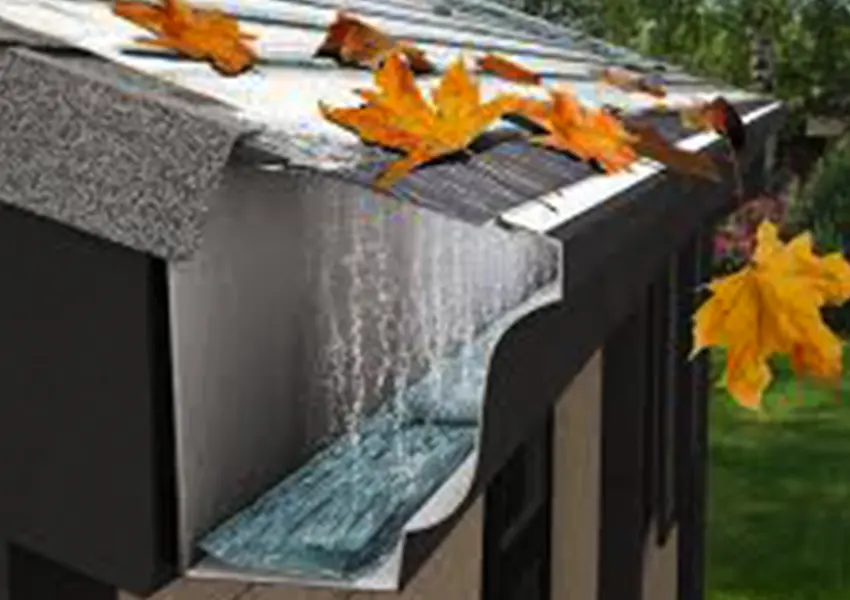
The primary reason gutter guards fail is ironically linked to their main selling point: they hide the debris.
When you can no longer see the interior of your gutter, it is easy to assume everything is working perfectly. Fine silt, pine needles, and organic sludge still manage to slip past most covers over time.
Once inside, this debris decays into a thick muck that clogs downspouts. Because the covers block easy access, cleaning out this hidden blockage requires unscrewing or ripping off the guards entirely, turning a simple cleaning job into an expensive, multi-hour ordeal.
Materials That Can't Handle the Elements
Heavy Downpours and Hydraulic Capacity
The fundamental purpose of a gutter is to collect water, but many guards focus so heavily on keeping leaves out that they completely restrict water inflow.
During intense seasonal storms, severe downpours generate more gallons per minute than a heavily screened or covered system can physically process. This is especially true in roof valleys—the areas where two roof slopes meet. Water rushes down these valleys at high speeds, overshoots the guard entirely, and pools directly next to your home’s foundation.
Poor Installation and Roof Alterations
According to homeowner surveys, a vast majority of gutter guard failures trace right back to poor installation techniques and DIY mistakes.
- Pitch Mismatches: If a guard is installed flatter than the slope of your roof, it acts as a shelf that collects leaves instead of letting them slide off.
- Breaching the Fascia: Sloppy installation can alter the protective clearance of your roof’s drip edge. This allows wind-driven rain or melting ice to back up behind the fascia board, leading to hidden wood rot in your attic and soffits.
- Structural Strain: The added weight of heavy metal guards, combined with trapped wet debris, can strain the structural integrity of your gutters. Over time, this weight causes the entire gutter system to sag, bend, or pull away from your home.
The Verdict: Are Gutter Covers Worth It?
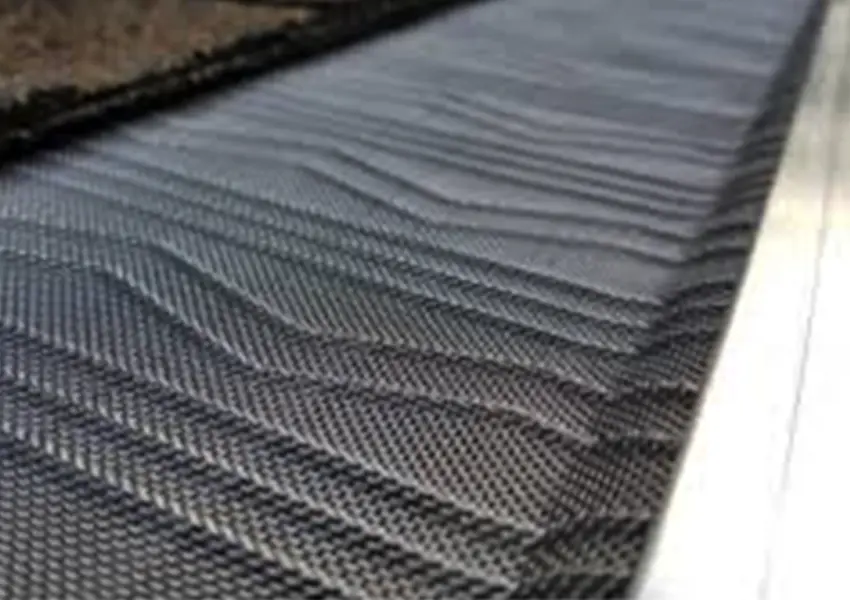
Gutter covers are not useless, but they require realistic expectations. They should be viewed as a tool to reduce the frequency of cleanings, rather than a way to eliminate maintenance altogether. We highly recommend a professional to install them, and instead invest in high-quality, surgical-grade stainless steel micro-mesh systems.
Knox Services uses highly trained professionals who respect your roof’s slope and your home’s structural drainage flow. We also offer a verifiable warranty.